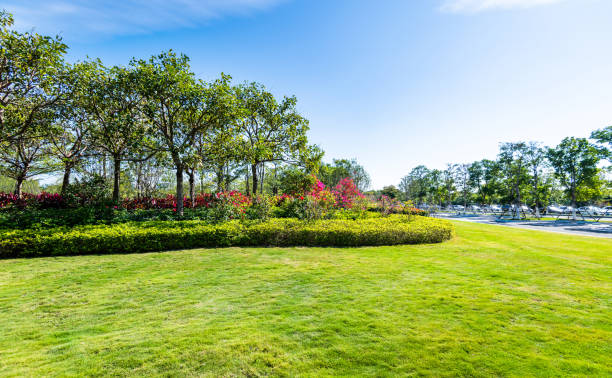
Choosing the right landscaping company is crucial for maintaining and enhancing your outdoor space. With so many options available, finding a company that aligns with your needs can feel overwhelming.
Identify Your Landscaping Goals
Before contacting landscaping companies, clarify what you want to achieve. Identifying your goals will help narrow down potential candidates and ensure you find a team experienced in the services you need.
– Type of Project: Are you looking for regular lawn maintenance, a garden redesign, or hardscaping features such as patios or pathways?
– Budget: Establish a clear budget for your project to avoid unexpected costs.
– Timeline: Determine if there are deadlines or seasonal considerations for completing the work.
Research and Compare Companies
Not all landscaping companies offer the same services or level of expertise. Spend time researching local businesses to identify qualified professionals who match your specific needs.
1.Browsing Online Reviews– Read customer reviews on platforms such as Google, Yelp, or Better Business Bureau to gauge reputation and reliability.
2.Checking Portfolios– Look at photos of past projects on their website or social media profiles to evaluate their style and capabilities.
3.Exploring Services Offered– Some companies specialize in design, while others focus on maintenance or installation; make sure their offerings align with your project requirements.
Evaluate Credentials and Experience
The right landscaping company should have proper credentials that demonstrate expertise and professionalism:
– Licensing: Verify if the company holds applicable licenses required in your area.Insurance Coverage: Ensure they carry liability insurance to protect against potential damages during the project.Certifications: Look for certifications from recognized organizations like the National Association of Landscape Professionals (NALP). These indicate adherence to industry standards.
Schedule Consultations
Once you’ve shortlisted potential providers, schedule consultations before making a final decision. This step allows you to evaluate their professionalism firsthand while discussing project specifics like costs, timelines, and materials.
Prepare questions such as: – What is your experience with similar projects? – Can you provide references from past clients? – Do you offer warranties on installations or plants?
Compare Quotes Carefully
Request detailed estimates from multiple companies so that you can compare prices fairly: | Company Name | Estimated Cost | Included Services | Estimated Timeline | |————–|—————-|——————-|——————–| | Company A | $2,500 | Lawn care + Hardscaping | 3 weeks | | Company B | $2,800 | Design + Planting | 4 weeks |
Ensure each quote itemizes labor costs, materials, and any additional fees so there are no surprises later.
Trust Your Instincts
A good professional relationship is built on trust and communication. Choose a landscaping company that listens carefully to your vision while offering expert guidance tailored to your property’s unique requirements.
By following these steps thoughtfully, you’ll increase your chances of finding a reliable partner who can bring life to your outdoor spaces effectively—saving both time and money in the process while ensuring quality results tailored perfectly to meet expectations.
Advantages of Hiring Professional Landscapers in Boston
A professionally landscaped property not only enhances curb appeal but also provides long-term functional and financial benefits. Whether you’re a homeowner or manage commercial properties, hiring a professional landscaping company can elevate the appearance and value of your outdoor space. Below are the key benefits of working with experts in the landscaping industry.
Expertise and Experience from a Boston MA Landscaper
Professional landscaping companies employ skilled teams with years of experience in designing, maintaining, and enhancing outdoor spaces. They understand the complexities of various soil types, climate conditions, and plant species. This allows them to create sustainable designs that thrive in your specific environment.
Key benefits of their expertise include:
– Tailored designs that align with your aesthetic preferences.
– Solutions for preventing soil erosion and managing drainage issues.
– Knowledge of drought-tolerant plants for water conservation.
Discover the Time-Saving Convenience of a Boston MA Landscaping Company
Landscaping requires time-intensive planning, planting, maintenance, and seasonal adjustments. By hiring professionals, you save hours spent on these labor-intensive tasks while ensuring consistent care for your property.
Tasks they handle efficiently:
– Lawn mowing and edging.
– Seasonal planting and weeding.
– Tree trimming and shrub maintenance.
This frees up your schedule for other priorities while ensuring your property remains visually appealing year-round.
Expert Lawn Care Boston MA Services with Quality Tools and Materials
Professional landscapers have access to high-grade tools, machinery, and materials that may be cost-prohibitive for individual homeowners or businesses to purchase or rent regularly. These tools improve efficiency while ensuring precision work.
Examples include:
| Equipment | Benefits | Examples |
|———————-|————————————-|——————————|
| Commercial mowers | Faster lawn care | Zero-turn mowers |
| Irrigation systems | Efficient water distribution | Smart sprinklers |
| Hardscape tools | Durable constructions | Concrete mixers |
Additionally, they source high-quality plants, mulch, stones, and fertilizers directly from trusted suppliers at competitive rates.
Enhanced Property Value
A well-maintained landscape boosts curb appeal significantly—an essential factor whether you’re planning to sell a property or simply increase its perceived value. Studies show that homes with thoughtfully designed landscapes can see an increase in overall market value by up to 15%.
Ways professional landscaping adds value: – Creating functional outdoor spaces like patios or walkways. – Installing features such as fountains or retaining walls. – Ensuring proper grading to prevent water damage around structures.
Sustainability Practices
Many professional landscapers now employ eco-friendly practices to reduce environmental impact while supporting biodiversity on your property. These practices benefit both the local ecosystem and your long-term costs by reducing wasteful energy usage or excessive resource consumption.
Sustainable services often include:
– Installation of native plants that require less water. – Use of organic fertilizers over chemical alternatives. – Implementation of efficient irrigation systems like drip irrigation.
Stress Reduction Through Aesthetics
Research has shown that green spaces promote mental well-being by reducing stress levels while improving mood and focus. A professionally landscaped yard creates an inviting environment where you can relax after a busy day or entertain guests comfortably amid natural beauty.
By delegating landscaping tasks to professionals who excel at creating stunning outdoor environments tailored specifically for their clients’ needs, you can enjoy both peace of mind today as well as increased returns on investments tomorrow—all without sacrificing valuable personal time or resources.
How to Verify That Your Landscapers Are Properly Insured
When hiring a landscaping company, ensuring their team is properly insured is a critical step that can save you from potential financial and legal troubles. Verifying insurance protects not only the landscapers but also you as the property owner. Here’s how you can confirm that the company you’re hiring is adequately insured.
Why Insurance Matters
Having insurance demonstrates professionalism and accountability.
– You are protected from liability if an accident occurs on your property, such as injuries to workers or damage to your belongings.
– The landscaping company is committed to operating responsibly and safeguarding their employees and clients.
– Any unexpected mishaps, such as property damage caused by equipment or poor workmanship, are covered under relevant policies.
Steps to Verify Landscaping Insurance
- Ask for a copy of the company’s Certificate of Insurance (COI). This document provides details about their coverage, including policy numbers, effective dates, and limits of liability.
- Ensure that the insurance coverage aligns with your state’s legal requirements for landscaping services.
- Confirm they carry general liability insurance. This protects against damages caused to your property during landscaping activities (e. g. , broken windows or damaged irrigation systems). A minimum coverage of $1 million is often recommended in this industry.
- Ensure the company has workers’ compensation insurance, which covers medical expenses and lost wages for injured employees.
- Without this coverage, you might be held responsible if a worker gets injured while working on your property.
- To verify legitimacy, call the insurance provider listed on the COI directly and ask whether the policy is active and in good standing.
- Check that the policy includes specific coverage for landscaping or lawn care work.
- Understand Additional Coverage Options
Some companies may offer additional insurance options: - Commercial Vehicle Insurance: Covers any accidents involving work vehicles used on-site.
- Errors and Omissions Insurance: Protects against claims arising from mistakes in design or project execution.
| Type of Coverage | Purpose | Recommended Limit |
| General Liability | Protects against accidental property damage | Minimum $1 million |
| Workers’ Compensation | Covers employee injuries | Varies by state law |
| Commercial Vehicle | Protects vehicles used during projects | As required per vehicle |
| Errors & Omissions | Covers professional mistakes | Optional but beneficial |
Red Flags to Watch For
- The company refuses to provide proof of insurance or avoids answering questions about their policies.
- Their COI appears expired or incomplete.
- They claim not to have workers’ compensation because they use subcontractors—this could still leave you liable if an accident occurs.
By taking these precautions when verifying a landscaper’s insurance credentials, you safeguard both your investment and peace of mind throughout any landscaping project.
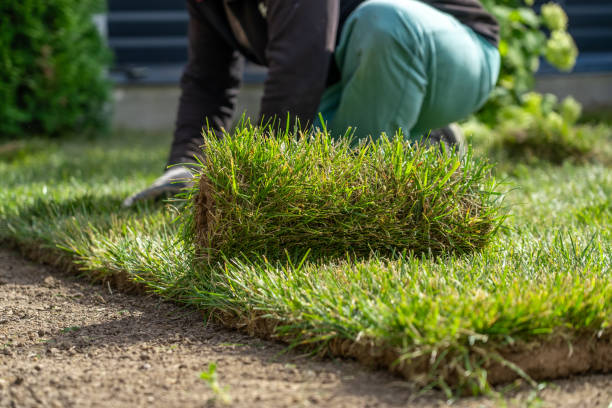
The Importance of Checking an Online Presence When Choosing a Landscaping Company
When searching for the right landscaping company, it is vital to assess their online presence. In today’s digital era, a company’s website and social media profiles can provide valuable insights into their professionalism, expertise, and reputation. Here’s why and how you should evaluate a landscaping company’s online presence to make an informed decision.
Benefits of Reviewing an Online Presence
- Portfolio Access:
Most reputable landscaping companies showcase their portfolio online. This can include photos or videos of completed projects, allowing you to evaluate the quality of their work. Look for landscapes similar to what you envision for your property. - Transparency:
A polished website often reflects professionalism and transparency. Check for detailed service descriptions, hours of operation, and clear contact information on the website. - Customer Reviews and Testimonials:
Many companies feature testimonials directly on their websites or link to review platforms like Google Reviews or Yelp. Reading real customer feedback can help you gauge satisfaction levels and reliability. - Up-to-Date Information:
An active blog or regularly updated content indicates that the company is engaged with industry trends and values ongoing communication with its audience. - Social Media Insight:
Social media platforms like Instagram and Facebook allow companies to show off their latest projects and interact directly with customers. These accounts also provide insight into how responsive they are to inquiries.
Key Elements to Look For
| Feature | What to Look For |
| Website Design | Clean layout, ease of navigation, mobile-friendly design |
| Portfolio | Quality photos/videos showcasing diverse projects |
| Service Descriptions | Clear explanation of services offered |
| Certifications/Accreditations | Proof of licensing or affiliations with professional associations |
| Customer Reviews | Mostly positive reviews with specific details |
| Social Media Engagement | Regular posts, interaction with followers |
Red Flags to Avoid
- Outdated Websites: A poorly maintained site may indicate lack of attention to detail.
- No Customer Feedback: Lack of reviews could suggest inexperience or poor service.
- Generic Stock Images: Authentic portfolios are key; stock photos might indicate misrepresentation.
- Limited Contact Information: Difficulty finding phone numbers or email addresses may signal unprofessionalism.
- Inconsistencies Across Platforms: Discrepancies between website content and social media activity may be concerning.
Tips for Verifying Authenticity
- Cross-check reviews on third-party platforms like Google Business Profiles or Angie’s List rather than relying solely on testimonials posted on the company’s site.
- Search for before-and-after photos for greater clarity about project quality.
- Check if the business has been tagged in customer posts on social media – this often provides an unfiltered view of customer satisfaction.
By thoroughly evaluating a landscaping company’s online presence using these criteria, you can better understand who they are as a business and ensure they align with your expectations. This research process saves time while helping you avoid potential pitfalls associated with unreliable contractors.
The Importance of Checking an Online Presence When Choosing a Landscaping Company
In today’s digital era, a company’s online presence tells a lot about its professionalism, reputation, and quality of services. This is especially true when selecting a landscaping company to bring your outdoor vision to life. Reviewing their online platforms can provide insights that go beyond what you might get from traditional advertising or even word-of-mouth recommendations.
Why Check Their Online Presence?
- Transparency: A professional landscaping company with an active online presence demonstrates transparency in their operations. They often share details about their services, pricing models, and examples of past projects.
- Portfolio Showcase: Many companies use their website or social media accounts to showcase photos and videos of completed landscaping projects. These visuals can help you assess whether their style aligns with your needs.
- Reputation Management: Customer reviews, testimonials, and ratings on platforms like Google My Business, Yelp, or social media can provide valuable insights into the experiences of previous clients.
- Accessibility: Companies with an established online presence typically have clear contact information and inquiry forms available on their website, making it easy for clients to ask questions or request quotes.
Key Elements to Look for Online
| Feature | What to Look For |
| Website | A professional and user-friendly design with detailed service descriptions |
| Portfolio/Project Images | High-quality photos of past projects that reflect creativity and attention to detail |
| Social Media Activity | Regularly updated pages showcasing work, tips, or customer interactions |
| Customer Reviews | Positive feedback on review platforms along with responses to negative comments |
| Certifications & Awards | Proof of industry recognition or accreditations that validate expertise |
Benefits of Reviewing Social Media Profiles
- Real-Time Updates: Platforms like Instagram often feature posts from recent projects, giving you a glimpse into their current work quality.
- Customer Interaction: Comments sections allow potential clients to see how companies engage with customers—whether they address concerns promptly or take feedback constructively.
- Creative Ideas: From garden layouts to sustainable landscaping solutions, these platforms may inspire ideas for your own outdoor space.
Red Flags to Watch For
- No Online Presence– A complete absence from search results could signal inexperience or lack of credibility.
- Negative Reviews Without Resolution– A series of unresolved complaints might indicate poor client satisfaction.
- Inconsistent Branding– Mismatched information across platforms (e. g. , different contact details) could suggest disorganization.
Steps You Can Take
- Compile a list of potential companies and visit their websites.
- Explore third-party review sites such as Angie’s List or Houzz for unbiased feedback.
- Compare portfolios side by side to identify which provider matches your aesthetic preferences best.
- Reach out via email or direct message through social channels if additional clarification is needed.
By carefully analyzing an organization’s online presence before making a decision, you’ll improve your chances of hiring a reliable and skilled team capable of delivering exceptional results tailored specifically for your needs.
How to Ask for Referrals and Recommendations for a Reliable Landscaping Team
Finding a reliable landscaping team can make a significant difference in the quality of your outdoor space. While online reviews and research are helpful, personal referrals and recommendations often provide the most trustworthy insights. Here’s how you can effectively ask for referrals and recommendations to ensure you hire a landscaping team that meets your expectations.
Start with Friends, Family, and Neighbors
- Friends and family: They are likely to share honest feedback about their experiences with local landscapers.
- Neighbors: If you’ve noticed well-maintained yards or gardens in your area, don’t hesitate to ask who they hired. People often appreciate sharing tips about good local services.
Leverage Your Online Network
- Social media platforms: Post on community groups or personal profiles asking for landscaping recommendations. Many local homeowners are happy to share their suggestions.
- Neighborhood forums: Platforms like Nextdoor or community-specific apps often have active discussions about local businesses, including landscapers.
Questions to Ask When Requesting Referrals
- What specific services did the landscaper provide? (e. g.
- Was the company professional in its communication and scheduling?
- Did they complete the work on time and within budget?
- Were there any issues during the project? How were they resolved?
- Would they hire this company again for future projects?
These questions help ensure that the recommendation aligns with your specific needs.
Request Professional References from Landscapers
- A reputable company should have no problem providing contact details of satisfied customers who can vouch for their work quality.
- Ask these clients about how well the team worked under deadlines or handled unexpected challenges during their projects.
| Key Aspects | Questions to Ask References | Outcome |
| Quality of Work | Was the final result up to your satisfaction? | Helps assess skill level |
| Communication | Were they responsive and clear in explaining processes? | Indicates professionalism |
| Timeliness | Was your project completed on schedule? | Evaluates reliability |
| Budget Management | Did costs align with initial estimates? | Ensures transparency |
Be Aware of Red Flags
- Lack of recent referrals.
- Negative reviews or complaints from multiple sources.
- Hesitation in providing references upon request.
Referrals and recommendations offer invaluable insights into choosing a trustworthy landscaping service provider. By asking targeted questions and combining word-of-mouth guidance with independent research, you’ll be better equipped to make an informed decision that leads to exceptional results for your outdoor spaces.
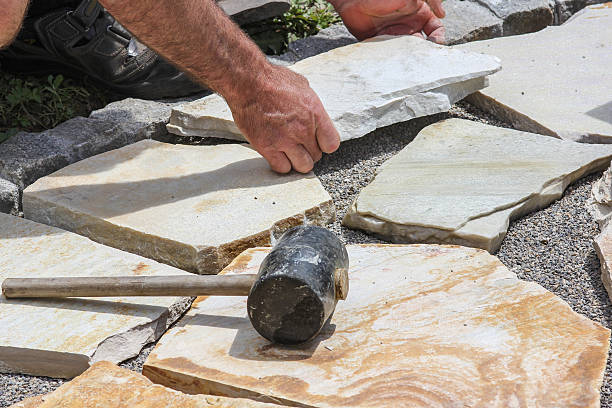
Aeration Explained: Giving Your Lawn the Breathing Room It Deserves
Aeration is a critical yet often overlooked aspect of lawn care. By understanding what aeration is and why it matters, homeowners can ensure their lawns stay lush, healthy, and resilient throughout the year.
This procedure helps to alleviate soil compaction, which can occur over time due to activities like walking, mowing, or natural settling.
Compacted soil restricts root growth by preventing access to crucial elements such as oxygen and water. Aeration combats this issue by providing the roots with space to expand and thrive.
Signs Your Lawn Needs Aeration
- Compacted Soil:If your soil feels hard when you press a screwdriver or similar tool into it.
- Pooling Water:Puddles form after rainfall because your lawn struggles to absorb moisture.
- Sparse Grass Growth:Thin patches or weak grass growth indicate that roots lack proper nutrients.
- Excess Thatch Layer:A thick layer of organic debris known as thatch can suffocate roots if not managed properly.
Benefits of Aerating Your Lawn
- Improved Soil Health:Oxygen flows freely through loosened soil, enhancing microbial activity that breaks down organic matter.
- Enhanced Water Absorption:Perforated soil allows for better water infiltration, reducing runoff and pooling.
- Stronger Roots:With access to more nutrients and room to grow, roots establish a deeper foundation.
- Reduced Thatch Build-Up:Aeration helps break down excessive thatch naturally over time.
- Increased Resilience:A well-aerated lawn is better equipped to withstand droughts, heavy foot traffic, and pest infestations.
When Should You Aerate?
- For cool-season grasses(e. g. , Kentucky bluegrass or fescue), early spring or fall is optimal since these seasons support active root growth.
- For warm-season grasses(e. g. , Bermuda or zoysia), late spring through early summer works best during their peak growing period.
Methods of Aeration
| Type | Description | Best For |
| Core/Punching | Removes small plugs of soil from the ground | Heavily compacted soils |
| Spike/Spiking | Uses solid tines or spikes to create holes without removing soil | Loosely compacted or sandy soils |
Core aerators are generally more effective because they relieve compaction while also promoting airflow through removed plugs.
DIY vs Professional Aeration Services
- Professionals use high-quality equipment suited for various soil types.
- Trained technicians understand how often aeration is needed based on local conditions.
- Professionals evaluate additional factors like drainage issues and grass species.
For those seeking long-term health improvements in their landscape, professional assistance offers convenience alongside expertise.
By incorporating regular aeration into your lawn care routine, you’ll create an environment where grass can truly flourish—thriving with all the resources it needs for robust growth year-round.
Nourishing Your Lawn: Achieving Health Through Balanced Fertilization
A healthy, vibrant lawn is the result of consistent care and attention, and fertilization plays a significant role in ensuring your grass thrives. Proper fertilization provides essential nutrients that promote strong root systems, lush growth, and improved resistance to pests and diseases. Below is a detailed guide to understanding how balanced fertilization can transform your lawn into a green oasis.
The Role of Fertilization in Lawn Health
- Nitrogen (N):Encourages vigorous growth and deep green coloration.
- Phosphorus (P):Supports root development and seedling growth.
- Potassium (K):Strengthens plant resistance to stress, drought, and disease.
Without these nutrients in the appropriate ratios, lawns can become patchy, susceptible to weeds or pests, or lose their rich color.
Understanding Balanced Fertilizers
A lawn fertilizer’s nutrient composition is represented by its N-P-K ratio.
| N-P-K Ratio | Purpose |
| 10-10-10 | General-purpose fertilization |
| 20-0-10 | High nitrogen for greener grass |
| 5-10-15 | Boosts root health and stress defense |
Selecting the right blend depends on factors such as soil type, grass species, seasonal requirements, and overall lawn goals.
When and How to Fertilize Your Lawn
Timing matters when fertilizing your lawn.
- Conduct Soil Testing:Before applying any fertilizer, perform a soil test to identify deficiencies or surpluses in nutrients. This ensures you’re targeting specific needs.
- Spring: Apply nitrogen-rich products for early growth stimulation.
- Summer: Choose fertilizers with more potassium to protect against heat stress.
- Fall: Use phosphorus-heavy blends to prepare roots for winter dormancy.
- Application Techniques:Use a broadcast spreader for even distribution across larger areas or handheld spreaders for precision around edges and smaller spaces.
Organic vs Synthetic Fertilizers
Organic Fertilizers
– Derived from natural sources like compost or manure.
– Release nutrients slowly over time. – Improve soil structure while feeding beneficial microorganisms.
Synthetic Fertilizers
– Formulated for faster nutrient absorption by plants. – Provide immediate results in terms of color and growth. – May require careful handling to avoid overapplication.
Common Mistakes in Lawn Fertilization
Avoid these common errors that may undermine your efforts:
1. Over-fertilizing – Leads to excessive growth that’s susceptible to pests or diseases. 2. Applying at the wrong time – Reduces nutrient uptake efficiency. 3. Ignoring watering – Failing to water after application risks burning the grass blades.
By taking a thoughtful approach to balanced fertilization—starting with soil analysis and ending with precise application—you’ll set your lawn on a path toward sustained health year-round.
- How to Evaluate and Choose the Right Landscapers Boston Has to Offer
- Boston MA Landscaper: Top Professional Services to Transform Your Outdoor Space
- How to Choose the Best Boston Landscaping Company for Your Needs
- Seasonal Lawn Care Tips from a Boston MA Landscaping Company: How Often to Mow in Spring, Summer, and Fall
- How to Find the Best Landscapers Boston Has to Offer for Your Unique Needs and Preferences
- Transform Your Property with a Top Boston MA Landscaper: 10 Essential Benefits
- Why Hiring Professional Landscapers Boston Residents Trust Makes Sense for Long-Term Results