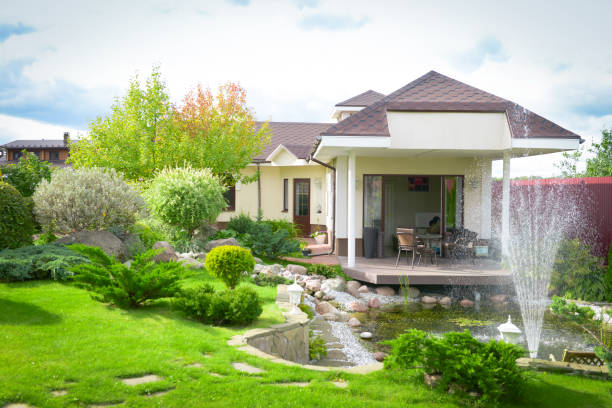
Maintaining a healthy, vibrant lawn requires consistent care throughout the year. However, the frequency of mowing varies for each season depending on grass growth patterns and weather conditions. Below is a comprehensive guide to help you determine how often to mow during spring, summer, and fall, along with helpful tips to keep your lawn in top shape.
Spring Lawn Mowing Tips
Spring is a period of rapid growth for most lawns as temperatures rise and rainfall increases. Proper mowing during this season sets the foundation for your lawn’s health throughout the year.
- Mow every 5-7 days once grass starts growing actively.
- Adjust based on grass type; cool-season grasses like Kentucky bluegrass or fescue may require slightly more frequent mowing.
- Aim to cut no more than one-third of the grass blade’s length at a time to prevent stress.
- Begin with a higher mower setting in early spring and gradually reduce height as the season progresses.
- Sharpen your mower blades before heavy use begins to ensure clean cuts.
- Rake away debris and leaves accumulated over winter to promote even growth.
- Apply fertilizer or pre-emergent weed control treatments early in the season.
Summer Lawn Mowing Tips
Summer brings increased heat and potential drought conditions that can stress your lawn, so adjusting your mowing habits is crucial during this time.
- Mow every 7-10 days unless growth slows due to heat or drought.
- If rainfall is consistent or you irrigate regularly, stick closer to biweekly mowing.
- Leave grass slightly longer (around 3-4 inches) during hot months to provide shade for roots and retain moisture.
- Avoid cutting wet or overly dry grass; this can lead to uneven cuts or damage.
- Consider mulching clippings instead of bagging them—this helps retain nutrients in the soil.
- Water deeply but less frequently (1 inch per week) rather than shallow daily watering.
- Inspect for signs of pests or diseases that are prevalent in summer months.
Fall Lawn Mowing Tips
As temperatures cool down in fall, most lawns experience slowed but steady growth before entering dormancy. Proper care during this period prepares your yard for winter.
- Mow every 1-2 weeks depending on growth patterns until frost significantly reduces activity.
- Gradually lower mower height toward late fall (but do not scalp). Shorter grass prevents fungal issues caused by excess moisture from fallen leaves or snow accumulation.
- Keep blades sharp as thicker seasonal grasses like ryegrass require precise cutting.
- Additional Maintenance: | Task | Timing | Purpose | |————————–|———————–|———————————–| | Aerate soil | Early-to-mid fall | Improves root access to nutrients | | Overseed thin patches | Early fall | Encourages thicker turf by spring | | Remove leaves regularly* | Throughout | Prevents suffocation/mold issues |
By tailoring your mowing schedule and practices based on seasonal needs, you can achieve a greener, healthier lawn year-round while minimizing stress on both you and your yard!
Best Practices for Lawn Care Boston MA: How Often Should You Cut Grass Based on Seasonal Changes
Maintaining a healthy and vibrant lawn requires adjusting your mowing schedule based on seasonal changes. Factors such as grass growth rates, weather conditions, and specific grass types directly affect how often you should mow. Below is a detailed guide to help you determine the optimal mowing frequency for each season.
Spring: Encouraging Growth and Recovery
Spring is a crucial time for lawn care as grass enters its active growth phase. Proper mowing during this period encourages strong root development and prepares the lawn for the warmer months ahead.
- Frequency: Mow every 5–7 days.
- Grass Height: Keep your grass around 2.5–3 inches tall to allow photosynthesis while reducing stress on the turf.
- Avoid cutting more than one-third of the blade length at a time.
- Sharpen mower blades to ensure clean cuts that prevent disease.
- Bag clippings during early spring if there’s excessive debris or leaves from winter.
Summer: Managing Heat Stress
During summer, lawns are often exposed to high heat and limited rainfall, making it essential to adjust mowing practices to avoid placing unnecessary stress on your grass.
- Frequency: Mow every 7–10 days, depending on rainfall and growth rate.
- Cool-season grasses (e.g., Kentucky Bluegrass): Maintain height between 3–4 inches.
- Warm-season grasses (e.g., Bermuda): Aim for heights around 1–2 inches, but don’t scalp the lawn.
- Raise your mower deck to provide more shade for grassroots, helping retain soil moisture in dry conditions.
- Opt for early-morning mowing when temperatures are cooler to reduce heat stress.
- Use mulching blades to return nutrients back into the soil from clippings.
Fall: Preparing for Dormancy
As temperatures start to drop in fall, grass will slow its growth in preparation for dormancy. This season provides an opportunity for final care that strengthens roots and keeps weeds at bay.
- Frequency: Mow every 10–14 days or as needed based on growth rate.
- Maintain a height of about 2.5 inches before winter sets in. This height helps prevent snow mold while allowing sufficient energy storage in roots.
- Perform your last mow once the grass stops growing but before frost arrives.
- Consider aerating your lawn during fall to improve nutrient absorption and root development ahead of winter dormancy.
Additional Tips for Year-Round Lawn Care
- Keep Blades Sharp: Dull blades tear rather than cut grass, leading to frayed edges that are prone to fungal infections.
- Mow When Dry: Wet grass can clump together during cutting, leaving behind uneven patches and promoting disease spread.
- Adjust Mowing Patterns: Change direction each time you mow to prevent soil compaction or rut formation over time.
| Season | Frequency Range | Recommended Grass Height |
| Spring | Every 5–7 days | Cool-season: ~2.5–3 in |
| Summer | Every 7–10 days | Warm-season: ~1–4 in |
| Fall | Every 10–14 days | ~2.5 inches |
By tailoring your approach based on seasonal needs and adhering to best practices, you can promote healthier turf while maintaining an aesthetically pleasing landscape throughout the year.
How Often to Mow Your Lawn in Different Seasons for Optimal Growth
Proper lawn care involves understanding how often to mow your lawn based on seasonal changes. Mowing frequency plays a crucial role in maintaining healthy grass, promoting growth, and preventing common lawn diseases. Below is a guide to help you determine the best mowing schedule for spring, summer, and fall to achieve optimal results.
Spring: Encouraging New Growth
Spring is a season of active growth for most grass types due to warmer temperatures and increased rainfall. However, mowing too frequently or cutting the grass too short can stress the lawn during this key growth period.
Key Tips for Spring Lawn Mowing: – Frequency: Mow every 1–2 weeks depending on the growth rate of your grass. – Height: Maintain a cutting height of 2.5–3 inches for cool-season grasses and 1–2 inches for warm-season grasses. – Best Practices: – Follow the “one-third rule”—never remove more than one-third of the grass blade in a single mowing session. – Sharpen mower blades before the season starts to avoid tearing or uneven cuts.
| Grass Type | Recommended Height | Mowing Frequency |
| Cool-Season Grasses | 2.5–3 inches | Every 1–1.5 weeks |
| Warm-Season Grasses | 1–2 inches | Every 1–2 weeks |
Summer: Managing Heat Stress
Summer presents unique challenges such as heat stress and drought conditions that can affect grass health if not properly managed. Adjusting your mowing schedule during this time can help protect your lawn while ensuring its long-term vitality.
Key Tips for Summer Lawn Mowing: – Frequency: Reduce mowing frequency to once every two weeks or as needed based on slower growth rates in hotter climates. – Height: Raise mower blades slightly higher—around 3 inches or more—to provide shade for the soil and retain moisture. – Best Practices: – Avoid mowing during extreme heat or drought; instead, mow early morning or late evening when temperatures are cooler. – Leave clippings on the lawn (mulching) as natural fertilizer to conserve nutrients.
Fall: Preparing for Dormancy
Fall is a critical time to prepare your lawn for winter dormancy while encouraging deep root development. Grass tends to grow more actively again due to cooler weather and frequent rainfall.
Key Tips for Fall Lawn Mowing: – Frequency: Resume weekly mowing as growth picks up in early fall; reduce frequency toward late fall as temperatures drop. – Height: Gradually lower mowing height (but don’t scalp) before winter—around 2–2.5 inches is ideal depending on grass type. – Best Practices: – Rake fallen leaves frequently before each mow to prevent smothering grass beneath debris. – Perform overseeding if necessary after aerating your lawn.
General Best Practices Across All Seasons
- Always keep mower blades sharp; dull blades rip rather than cut, leading to ragged edges prone to disease.
- Adjust mowing patterns—alternate directions with each session—to avoid soil compaction and uneven turf wear.
- Monitor weather conditions closely; avoid cutting wet or frosty lawns that can harm healthy blades.
By tailoring your approach each season and following best practices consistently throughout the year, you’ll promote healthy grass growth and maintain an aesthetically pleasing landscape at all times.
Discover Top Lawn Mowers for Landscapers Boston Can Rely On for a Better Landscaping Experience
Selecting the right lawn mower plays a crucial role in simplifying your lawn care routine while ensuring your yard remains well-groomed and healthy. With advancements in technology, modern mowers are designed to not only improve efficiency but also enhance user experience.
Benefits of Using an Efficient Lawn Mower
Investing in a high-quality lawn mower has several advantages, including:
– Time Savings: Modern mowers offer faster cutting speeds and wider cutting decks, allowing you to finish mowing quickly.
– Improved Cut Quality: Advanced models ensure even trimming for a polished look across your landscape.
– Enhanced Durability: High-end mowers are built with superior materials that require fewer repairs or replacements over time.
– Eco-Friendly Options: Many newer models, such as electric or battery-powered mowers, produce fewer emissions compared to traditional gas-powered alternatives.
Features to Look For in an Enjoyable Lawn Mower
- Gas-powered (for large yards and heavy-duty use)
- Electric (quiet operation; lower maintenance)
- Battery-operated (environmentally friendly; cordless convenience)
- Adjustable Cutting Heights: This feature allows you to customize cutting based on grass type and seasonal needs.
- Ergonomic Design: Look for padded handles or adjustable handlebars that reduce strain during prolonged use.
- Self-Propulsion: A self-propelled mower saves energy by reducing the effort required to push it around the yard.
- Mulching Capability: Mulching options turn grass clippings into natural fertilizer instead of leaving clumps on the surface.
- Size Considerations: Compact designs are ideal for small lawns, while wide-deck mowers are suited for larger spaces.
| Feature | Benefits |
| Engine Type | Matches power output with yard size and personal preference |
| Adjustable Cutting Heights | Adapts mowing height based on grass species |
| Ergonomic Design | Reduces fatigue during extended mowing sessions |
| Self-Propulsion | Minimizes physical effort |
| Mulching Capability | Enhances eco-conscious landscaping practices |
Maintenance Tips for Optimal Mower Performance
- Regularly sharpen blades for clean cuts and healthier grass growth.
- Clean undercarriage after each use to prevent debris buildup.
- Check filters, spark plugs, or batteries periodically depending on the engine type.
- Change oil annually if using gas-powered models.
- Store the mower properly during off-seasons by keeping it sheltered from moisture.
A well-maintained mower not only extends its lifespan but also consistently delivers top-notch performance whenever needed.
Final Thoughts
Choosing an efficient lawn mower tailored to your landscaping needs can transform tedious tasks into enjoyable experiences. By investing in modern equipment with advanced features, you’ll save time, reduce effort, and achieve professional-grade results—all while maintaining a healthy and attractive yard year-round.

Top Factors to Consider When Choosing the Perfect Lawn Mower for Your Landscaping Needs
Selecting the right lawn mower is a crucial decision for maintaining a well-kept and healthy yard. With various types of lawn mowers available, each catering to different needs, it’s essential to make an informed choice. Here are the key factors to consider when choosing the perfect lawn mower for your landscaping requirements.
1. Lawn Size and Terrain
- Small Lawns: For yards under ½ acre, a push or electric mower often suffices.
- Medium-Sized Lawns: A self-propelled gas or battery-operated mower is ideal for lawns between ½ acre to 1 acre.
- Large Lawns: For areas over an acre, riding mowers or zero-turn mowers improve efficiency and reduce physical strain.
- Hilly Terrain: Look for mowers with high traction wheels or variable speed control to handle slopes effectively.
2. Power Source
- Gas-Powered Mowers: Provide strong cutting power for larger lawns but require more maintenance (oil changes, fuel refills).
- Electric Corded Mowers: Ideal for small lawns; however, the cord can limit range and maneuverability.
- Battery-Powered Mowers: Eco-friendly and convenient with no cords or fumes but may need frequent recharging depending on battery capacity.
- Manual Reel Mowers: Great for environmentally-conscious users with small, flat yards.
3. Cutting Width
The cutting width determines how much grass the mower cuts in a single pass.
| Cutting Width | Best For | |———————|———————————–| | Less than 20 inches | Small spaces and narrow areas | | 20-22 inches | Standard residential yards | | Over 22 inches | Large properties requiring fewer passes |
4. Deck Height Adjustability
Different grass types thrive at different heights, so adjustable deck settings are important for maintaining optimal growth: – Bermuda Grass: Best kept at a height of about 1–2 inches. – Kentucky Bluegrass: Typically maintained at around 2–3 inches. – Fescue Grass: Grows best when cut between 3–4 inches tall.
Look for mowers with easy-to-adjust levers that allow you to modify deck height quickly.
5. Ease of Use
Consider ergonomic designs that make lawn mowing less labor-intensive: – Handlebar Comfort: Padded or adjustable handlebars reduce hand fatigue during extended mowing sessions. – Weight: Lightweight models improve maneuverability, especially in tight spaces. – Storage Features: Foldable handles make it easier to store in compact spaces.
6. Durability and Build Quality
Investing in a durable mower ensures long-term performance: – Choose models with rust-resistant steel decks or heavy-duty plastic casings. – Check customer reviews regarding durability before making your purchase.
Additional Tips
- If noise is a concern in your neighborhood, opt for electric or battery-powered models as they operate more quietly than gas-powered ones.
- Always factor in maintenance needs like blade sharpening, oil changes (for gas versions), and battery replacement costs when purchasing a mower.
By carefully assessing these factors and matching them with your specific landscaping needs, you’ll select a lawn mower that saves time, enhances efficiency, and keeps your yard looking pristine all year round.
Transform Your Outdoor Space with Expert Boston Landscaping Tips and Seasonal Lawn Care Strategies
Achieving a healthy, vibrant lawn requires more than just periodic mowing or occasional watering. Tailoring your lawn care and maintenance schedules to the changing seasons ensures that your landscape remains lush and thriving throughout the year. With expert tips and a proper understanding of seasonal requirements, you can enhance your landscape while preserving its beauty.
Spring Lawn Care Tips
- Aerate Your Lawn: Aeration allows essential nutrients, water, and oxygen to penetrate the soil easily. This promotes stronger root growth after dormancy.
- Dethatch if Necessary: If there is a thick layer of thatch (dead grass) present, dethatching improves air circulation and prevents potential disease.
- Apply Fertilizer: Choose a nitrogen-rich fertilizer to promote growth during this season. Opt for organic fertilizers when possible for environmentally friendly results.
- Tune-Up Your Mower: Ensure your equipment is ready for regular mowing by sharpening blades and checking operations.
Suggested Spring Maintenance Schedule
| Task | Frequency |
| Mowing | Every 5-7 days |
| Fertilizing | Once in early spring |
| Aerating | Once in late spring |
| Weed Control | Regular as needed |
Summer Lawn Care Tips
Summer brings hotter temperatures and potential drought conditions, making it crucial to adjust your lawn care routine accordingly.
- Water Deeply but Infrequently: Aim for 1 inch of water per week through rainfall or irrigation. Water early in the morning to minimize evaporation.
- Raise Mower Height: Keep grass blades longer (around 3 inches) during summer months to provide shade for roots and retain moisture.
- Mulch Grass Clippings: Leave grass clippings on the lawn after mowing; they decompose into nutrients that nourish the soil.
- Inspect for Pests or Disease: Monitor common summer issues like grubs or fungal diseases, addressing them promptly with safe treatments.
Suggested Summer Maintenance Schedule
| Task | Frequency |
| Mowing | Every 7 days |
| Watering | Weekly (as needed) |
| Pest/Disease Checks | Weekly |
Fall Lawn Care Tips
Fall is an ideal time to prepare your lawn for winter while encouraging healthy growth before dormancy sets in.
- Overseed Thin Areas: Overseeding improves density and fills bare spots caused by summer wear.
- Apply Fall Fertilizer: Use a slow-release fertilizer rich in potassium to strengthen roots before winter’s arrival.
- Clear Fallen Leaves Regularly: Remove leaves promptly to prevent suffocation or fungal growth underneath them.
- Winterize Equipment: As mowing frequency decreases toward late fall, clean and store equipment properly.
Suggested Fall Maintenance Schedule
| Task | Frequency |
| Overseeding | Early fall |
| Fertilizing | Once in mid-fall |
| Leaf Removal | Weekly or as needed |
Key Takeaways for Year-Round Lawn Care Success
Adopting tailored seasonal maintenance schedules ensures continuous improvement in your lawn’s health, appearance, and resilience. By investing time into aerating, fertilizing, watering wisely, adjusting mower settings, and addressing concerns like pests or disease at appropriate intervals throughout spring, summer, and fall—you can achieve an attractive landscape all year round.
The Ultimate Guide to Hiring a Boston MA Landscaper for a Beautifully Landscaped Yard
A beautifully landscaped yard is not only a source of pride but also an investment in your property. Year-round care is essential to maintain its health and aesthetic appeal. Whether you’re a DIY enthusiast or rely on professional landscaping services, having a clear plan for each season will help you achieve the yard of your dreams. Below, you’ll find actionable tips and best practices for keeping your landscape in top shape throughout the year.
Spring: Preparing for Growth
- Cleanup: Remove debris such as fallen branches, leaves, and dead grass that accumulated over winter.
- Soil Testing: Test soil pH and nutrient levels to determine if any amendments are needed.
- Aeration and Fertilization: Aerate compacted soil to improve oxygen flow and apply fertilizer to encourage new growth.
- Weed Prevention: Apply pre-emergent herbicides to stop weeds before they start.
Summer: Maintenance Under Stress
- Water deeply but less frequently (early mornings are best).
- Install drip irrigation systems to conserve water.
- Keep grass blades slightly taller (3–4 inches) for better moisture retention.
- Sharpen mower blades regularly for clean cuts.
- Pest Control: Monitor for pests like grubs or chinch bugs, treating infestations promptly.
Fall: Preparing for Dormancy
- Rake fallen leaves or mulch them into your lawn using a mower with a mulching blade.
- Overseeding: Fill in thin patches by overseeding with cool-season grasses.
- Winterizing Equipment: Clean and store tools like mowers and trimmers properly before freezing weather sets in.
- Apply slow-release fertilizers designed for fall use.
Essential Lawn Care Tools
| Tool/Equipment | Purpose |
| Lawn Mower | Regular mowing ensures even growth |
| Pruning Shears | Trim shrubs and small plants |
| Garden Rake | Manage leaves and debris |
| Soil Aerator | Improve root access to nutrients |
| Sprinkler or Irrigation System | Maintain consistent watering |
Landscaping Tips That Make an Impact
- Create Zones: Divide your yard into functional areas—such as flower beds, grassy play zones, or vegetable gardens—to make maintenance more manageable.
- Choose Native Plants: Native plants are well-adapted to local conditions, requiring less water and care compared to exotic varieties.
- Install Mulch Beds: Mulch retains soil moisture while suppressing weed growth around shrubs or trees.
- Plan Ahead: Develop seasonal schedules outlining fertilization, mowing frequency, pest control, watering needs, etc.
Long-Term Benefits of Consistent Lawn Care
By committing to year-round maintenance practices: 1. You’ll enjoy healthier plants with fewer disease outbreaks. 2. Your outdoor space will remain vibrant during peak seasons while staying resilient during challenging weather conditions. 3. A well-maintained lawn increases curb appeal—a major advantage if you decide to sell your property.
Investing time into understanding seasonal needs not only keeps your yard looking its best but also saves money on expensive corrective measures down the road.
- How to Evaluate and Choose the Right Landscapers Boston Has to Offer
- Boston MA Landscaper: Top Professional Services to Transform Your Outdoor Space
- How to Choose the Best Boston Landscaping Company for Your Needs
- Seasonal Lawn Care Tips from a Boston MA Landscaping Company: How Often to Mow in Spring, Summer, and Fall
- How to Find the Best Landscapers Boston Has to Offer for Your Unique Needs and Preferences
- Transform Your Property with a Top Boston MA Landscaper: 10 Essential Benefits
- Why Hiring Professional Landscapers Boston Residents Trust Makes Sense for Long-Term Results